- Your cart is empty
- Continue Shopping


Proven Skincare Ingredients That Works


- Alpha Hydroxy Acids (AHAs)

Alpha hydroxy acid is a popular anti-aging skincare ingredient. Their primary function is as exfoliant to slough off dead skin cells, speed up cell turnover for brighter and more even skin tone, increase collagen production, reduce the appearance of fine lines and wrinkles and reduce hyperpigmentation.
There are few types of AHAs:
- Citric acid- found in citrus fruits, especially lemons and limes
- Glycolic acid- derived from sugarcane
- Malic acid- naturally source from apples
- Lactic acid- naturally derived from milk
- Tartaric acid- naturally derived from grapes
- Phytic acid- found in whole grains, legumes
2. Beta Hydroxy Acid (BHA)
Beta hydroxy acid is oil-soluble, allowing it to penetrate deep into pores, removing sebum and dead skin cells. BHA acts as an exfoliant and helps to reduce the appearance of fine lines, dark spots, and other tell-tale signs of photo-aging.
People with oily or acne-prone skin can benefit from it, as it regulates sebum production, reduces large pores, and prevents comedones from forming.
3. Ceramides

Ceramides are naturally occurring waxy lipids in cell membranes that form a barrier on the skin’s outer surface. After the age of 20, the ceramide production in the epidermis slows down — roughly 1 percent less each year. Overuse of harsh exfoliants, seasonal changes, UV exposure, and lifestyle habits can also deplete the body’s ceramide levels.
When the body’s ceramide levels decline, the skin becomes drier and more susceptible to free radical damage. These free lipids bind multiple layers of the stratum corneum, preventing moisture loss and providing firmer, plumper- looking skin that is less prone to wrinkles.
4. Hyaluronic Acid
Hyaluronic acid (HA) is a natural component of the skin and a potent hydrating ingredient, as its humectant properties allow it to bind to 1,000 times its weight in water. Hyaluronic acid for skin works wonderfully for hydrating dry and mature complexions and as an anti-aging component. It improves texture — keeping the skin moist, dewy, and youthful-looking. Due to its water-binding and retaining capacity, HA fills in wrinkles and fine lines, providing a noticeable plumped-up effect.
5. Peptides
Peptides, also called polypeptides, are strings of short-chain amino acids that are the basic building blocks of protein. They are responsible for producing the skin’s collagen and elastin.
There are four main types of peptides in skincare, depending on the source: signal, carrier, enzyme-inhibiting, and neurotransmitter-inhibiting peptides. Some renowned peptides include Argireline, Matrixyl and SYN-AKE. Argireline, also known as Acetyl Hexapeptide-8, reduce the appearance of fine lines and wrinkles by relaxing facial muscle contraction. Matrixyl (palmitoyl pentapeptide-4), stimulates the production of collagen and elastin. SYN-AKE® is a small synthetic peptide that helps reduce the appearance of wrinkles and laughter lines. SYN-AKE® enables the face to relax, reducing wrinkles but without losing the ability to help people express themselves.
6. Tranexamic Acid
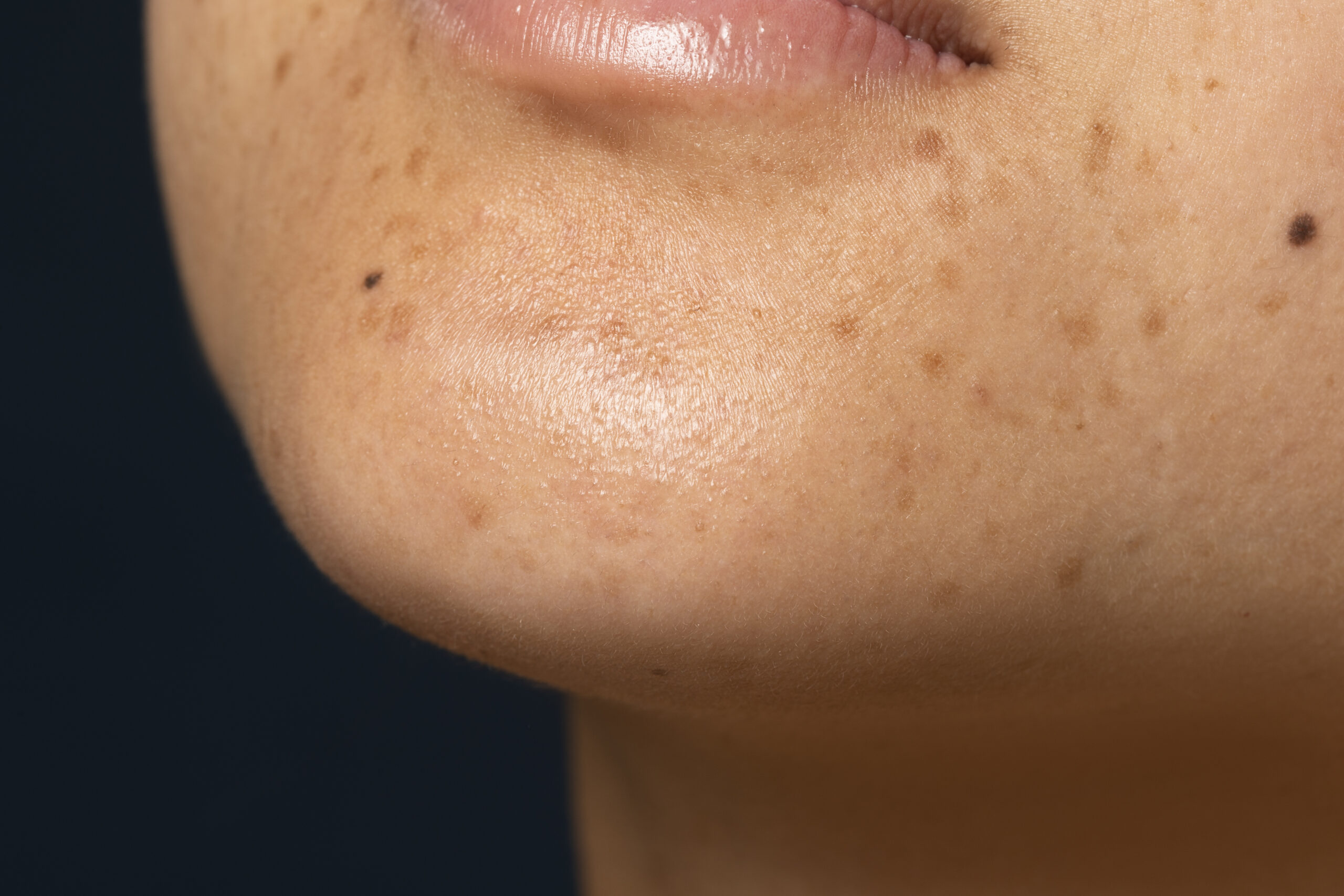
Tranexamic acid is a synthetic derivative of the amino acid lysine. This molecule has a targeted anti-inflammatory action that blocks the transfer of pigment from melanocytes into the epidermis. It is commonly prescribed topically to prevent post-inflammatory hyperpigmentation, treat melasma, and is a strong skin brightening agent.
Tranexamic acid topical improves existing skin discoloration caused by UV exposure, inflammation, and hormone-induced melasma, also known as the “mask of pregnancy.” It brightens the complexion, improves skin clarity, and has been shown to lighten age spots and acne scars for more even-toned and glowing skin.
7. Retinol
Retinol promotes cell turnover by increasing the skin’s cell production. Retinols (which are a form of vitamin A) are designed to generate skin cells more prolifically so that the skin on your face regenerates more quickly.
Secondly, retinol increases collagen production which adds plumpness to the skin and prevents wrinkles from forming over time. Lastly, retinol is a good method of improving your skin texture because it unclogs pores, cleans out impurities, and exfoliates your skin.
8. Vitamin C
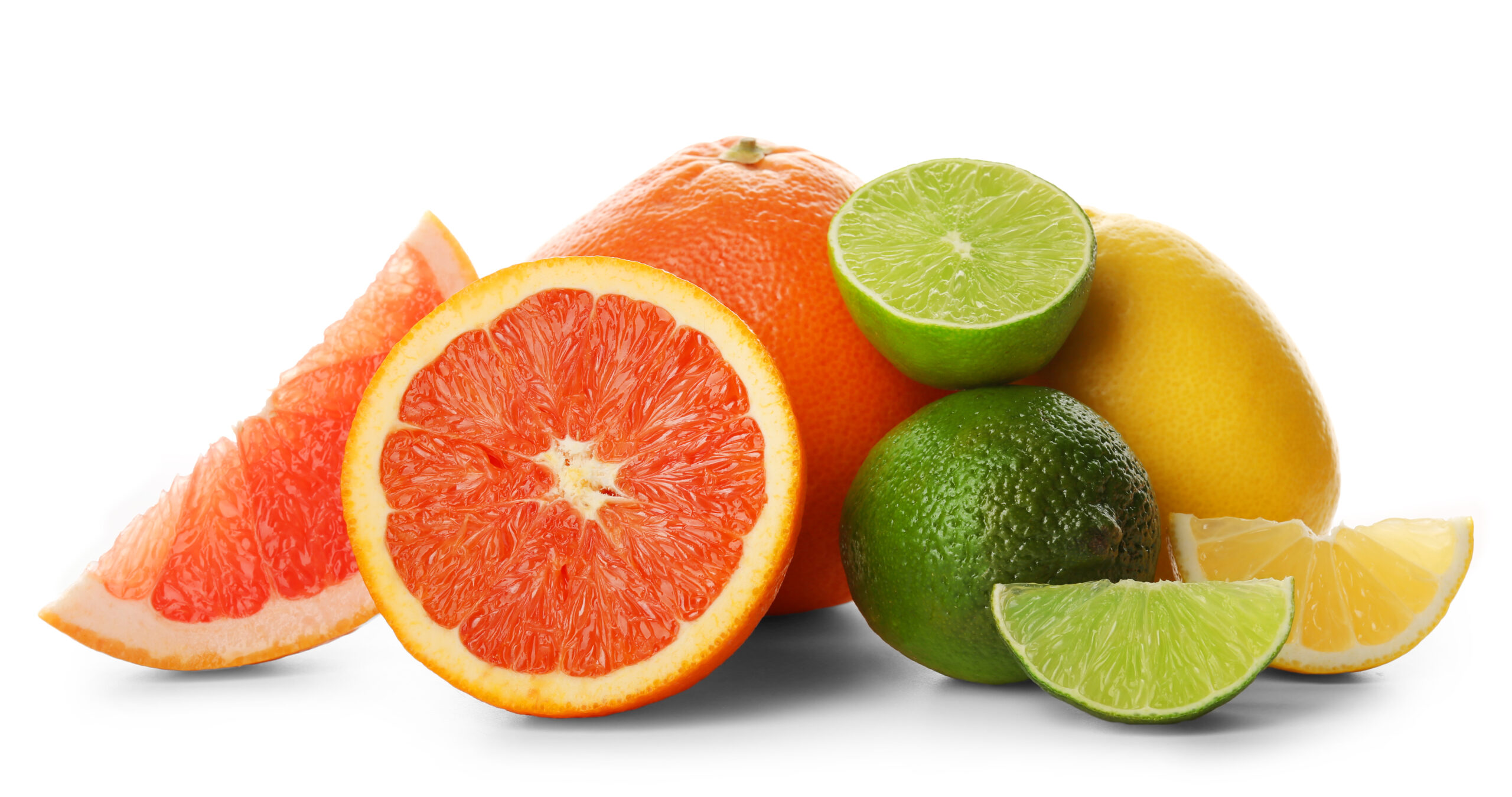
Vitamin C’s benefits for skin including its ability to even out skin tone and diminish the appearance of fine lines and wrinkles . While this powerhouse ingredient is well-known for its skin-brightening benefits, research also shows it can shield skin from free radical damage. Vitamin C is a powerful antioxidant, it provides a strong defense against environmental stressors (including sun damage)
There are many forms of vitamin C for skin, including the most researched L-ascorbic acid, highly stabilized 3-O Ethyl Ascorbic acid, and fat soluble form of Vitamin C- Tetrahexyldecyl Ascorbate. If your skin looks dull or its tone is uneven, regardless of your skin type, a higher concentration vitamin C product, particularly a treatment or serum, is ideal for layering. If stubborn dark spots are more of your concern, a 25% vitamin C skin treatment works great for discolorations.
Reference:
- https://www.paulaschoice.com/ingredient-dictionary
- https://www.provenskincare.com/skincare-ingredients
