


Nicotinamide Mononucleotide (NMN): A Promising Molecule for Cellular Health and Longevity
- Health CareNutritionPharmacy
- By vproadmin
- Posted on
- 0 comments
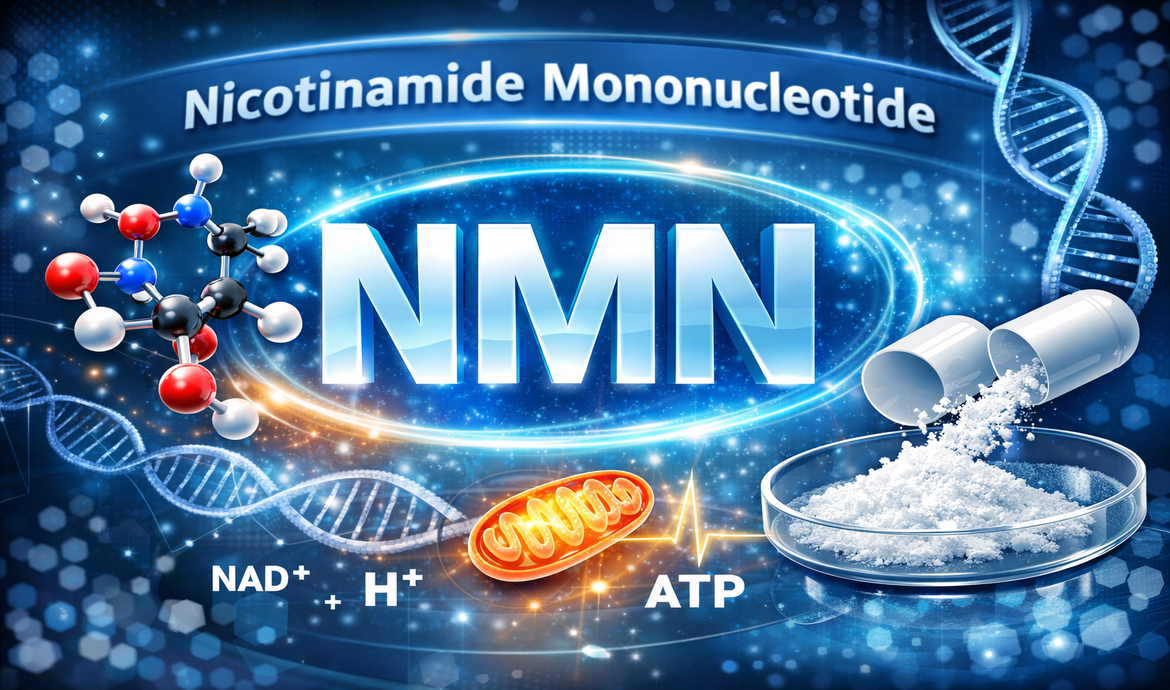
In the pursuit of healthy aging and optimal cellular function, Nicotinamide Mononucleotide (NMN) has gained significant attention from both the scientific community and health-conscious individuals. But what exactly is NMN, and why is it considered such a powerful compound?
What Is NMN?
Nicotinamide Mononucleotide (NMN) is a naturally occurring molecule found in all living cells. It is a direct precursor to Nicotinamide Adenine Dinucleotide (NAD⁺) — an essential coenzyme involved in a wide array of cellular processes, including energy production, DNA repair, and gene expression.
As we age, NAD⁺ levels decline, contributing to cellular dysfunction and age-related diseases. NMN supplementation offers a way to restore NAD⁺ levels and support healthy aging at the cellular level.
Key Health Benefits of NMN
- Supports Cellular Energy Production
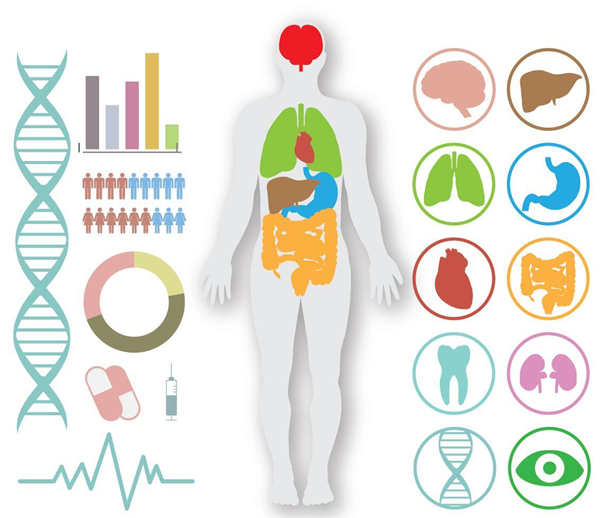
NAD⁺ plays a critical role in mitochondrial function — the powerhouse of the cell. By boosting NAD⁺ levels, NMN helps enhance energy metabolism, particularly in organs with high energy demands like the brain, heart, and muscles.
- Promotes Healthy Aging
Research suggests that NMN may help delay certain aspects of aging by activating sirtuins, a family of proteins associated with DNA repair, inflammation reduction, and metabolic regulation.
- Improves Cognitive Function
NMN has shown potential to protect neurons and improve brain function. Animal studies indicate that NMN supplementation may enhance memory, learning, and overall cognitive health, especially in aging populations.
- Enhances Cardiovascular Health
By supporting vascular elasticity and reducing oxidative stress, NMN may help improve blood flow and reduce the risk of cardiovascular diseases.
- Supports Metabolic Health
NMN has been shown to improve insulin sensitivity and lipid profiles in preclinical studies, suggesting potential benefits for managing conditions like type 2 diabetes and obesity.

Scientific Backing and Safety
Numerous animal studies have demonstrated the efficacy of NMN in promoting healthspan and combating age-related decline. Human clinical trials are ongoing, but early results indicate that NMN is well-tolerated, with minimal side effects reported at doses ranging from 250 mg to 500 mg daily.
However, it’s always advisable to consult a healthcare provider before starting NMN supplementation, especially for individuals with pre-existing health conditions or those taking other medications.
Natural Sources of NMN
NMN is naturally found in small amounts in certain foods, such as:
- Edamame
- Broccoli
- Cabbage
- Avocados
- Tomatoes
While these foods can support NAD⁺ production to a degree, supplementation is often used to achieve therapeutic levels.

NMN Supplements: What to Look For
When choosing an NMN supplement:
- Opt for purity-tested and clinically formulated products
- Transparent sourcing and manufacturing for quality assurance
- Consider bioavailability and absorption
- Proper dosage withiut causing any side effects
Conclusion
Nicotinamide Mononucleotide (NMN) represents a promising advance in nutritional science, particularly for those interested in healthy aging, energy metabolism, and cellular resilience. While research is still evolving, NMN offers an exciting opportunity to support your body at the cellular level — helping you feel energized, focused, and vital throughout life.
Reference
- Yoshino, J., Mills, K. F., Yoon, M. J., & Imai, S. I. (2011).
Nicotinamide mononucleotide, a key NAD⁺ intermediate, treats the pathophysiology of diet- and age-induced diabetes in mice. Cell Metabolism, 14(4), 528-536. https://doi.org/10.1016/j.cmet.2011.08.014 - Imai, S. I., & Guarente, L. (2014). NAD⁺ and sirtuins in aging and disease. Trends in Cell Biology, 24(8), 464–471. https://doi.org/10.1016/j.tcb.2014.04.002
- Mills, K. F., Yoshida, S., Stein, L. R., et al. (2016). Long-term administration of nicotinamide mononucleotide mitigates age-associated physiological decline in mice.
Cell Metabolism, 24(6), 795-806. https://doi.org/10.1016/j.cmet.2016.09.013
