- Your cart is empty
- Continue Shopping


10 NATURAL WAYS TO RELIEVE STRESS

When you’re stressed, your body releases hormones, triggering your “fight or flight” response. Cortisol, a hormone associated with stress, can cause serious physical health concerns if it builds up in the body. Managing stress is all about taking charge: of your thoughts, emotions, schedule, environment, and the way you deal with problems. The ultimate goal is a balanced life, with time for work, relationships, relaxation, and fun
- Exercise
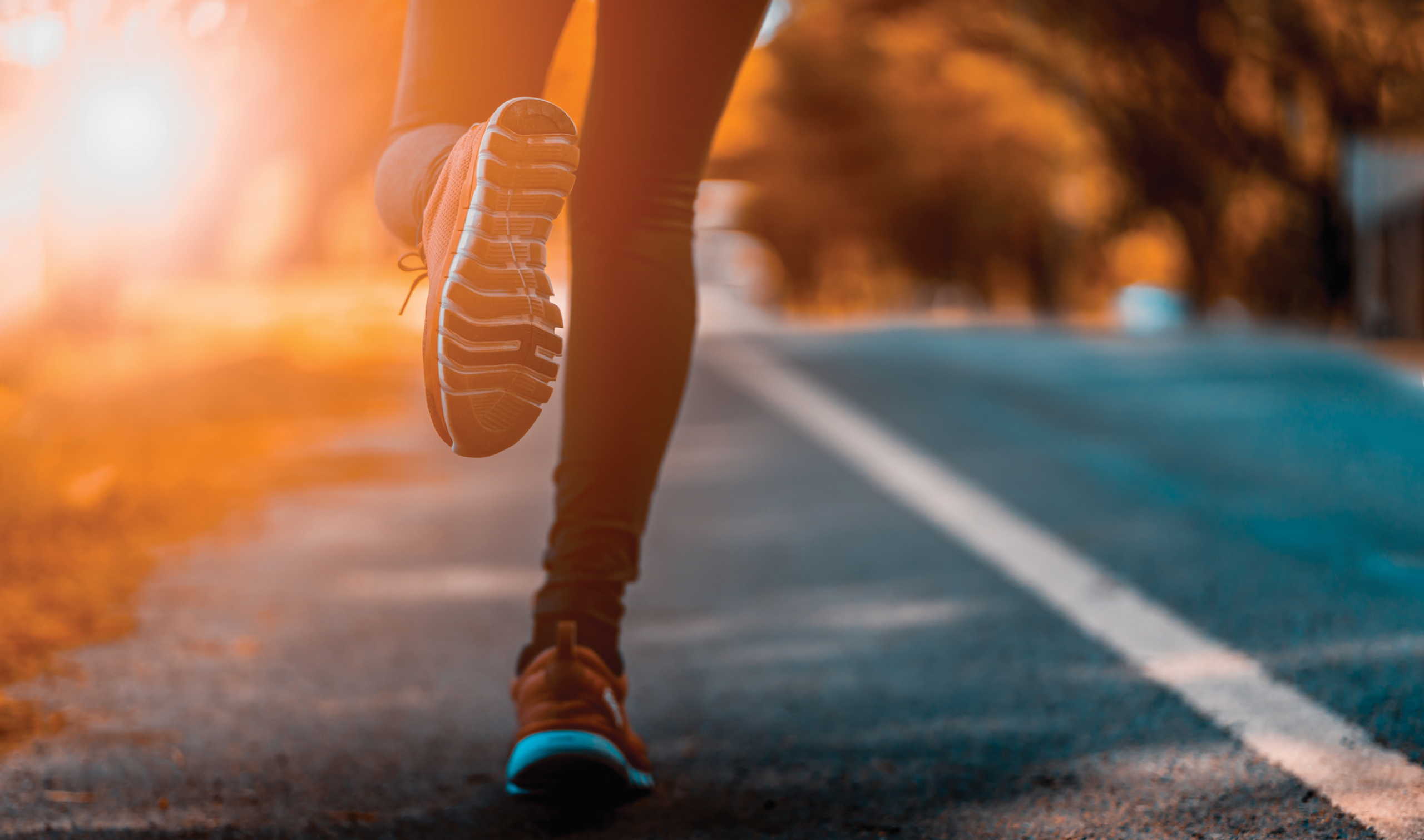
Exercise reduces levels of the body’s stress hormones, such as adrenaline and cortisol. It also stimulates the production of endorphins, chemicals in the brain that are the body’s natural painkillers and mood elevators. What’s most important is making physical activity part of your lifestyle every week.
2. Meditation
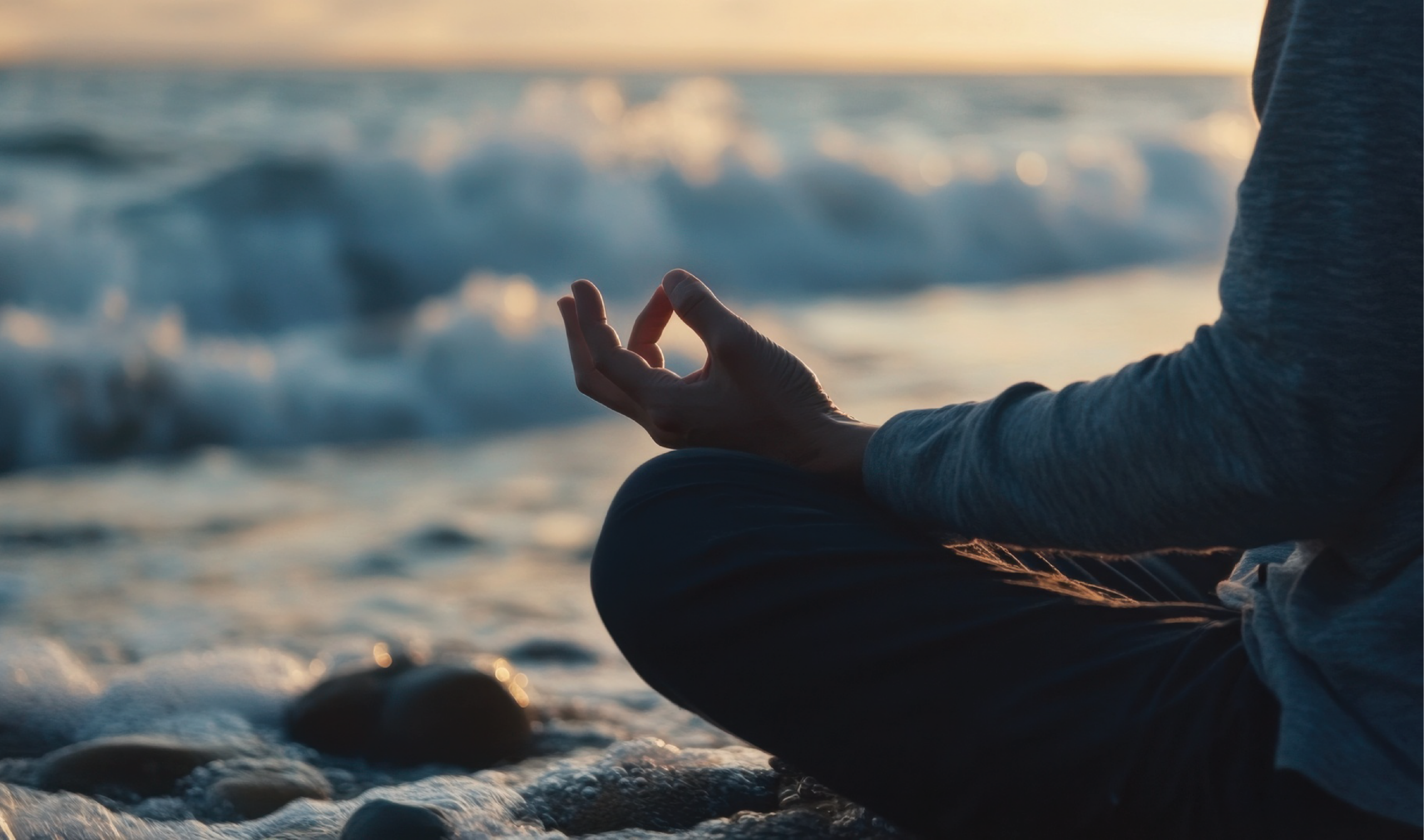
A wide range of meditation styles, including mindfulness and meditation during yoga, may help. Researchers reviewed more than 200 studies of mindfulness among healthy people and found mindfulness-based therapy was especially effective for reducing stress, anxiety, and depression. Mindfulness can also help treat people with specific problems including depression, pain, smoking, and addiction.
3. Aromatherapy
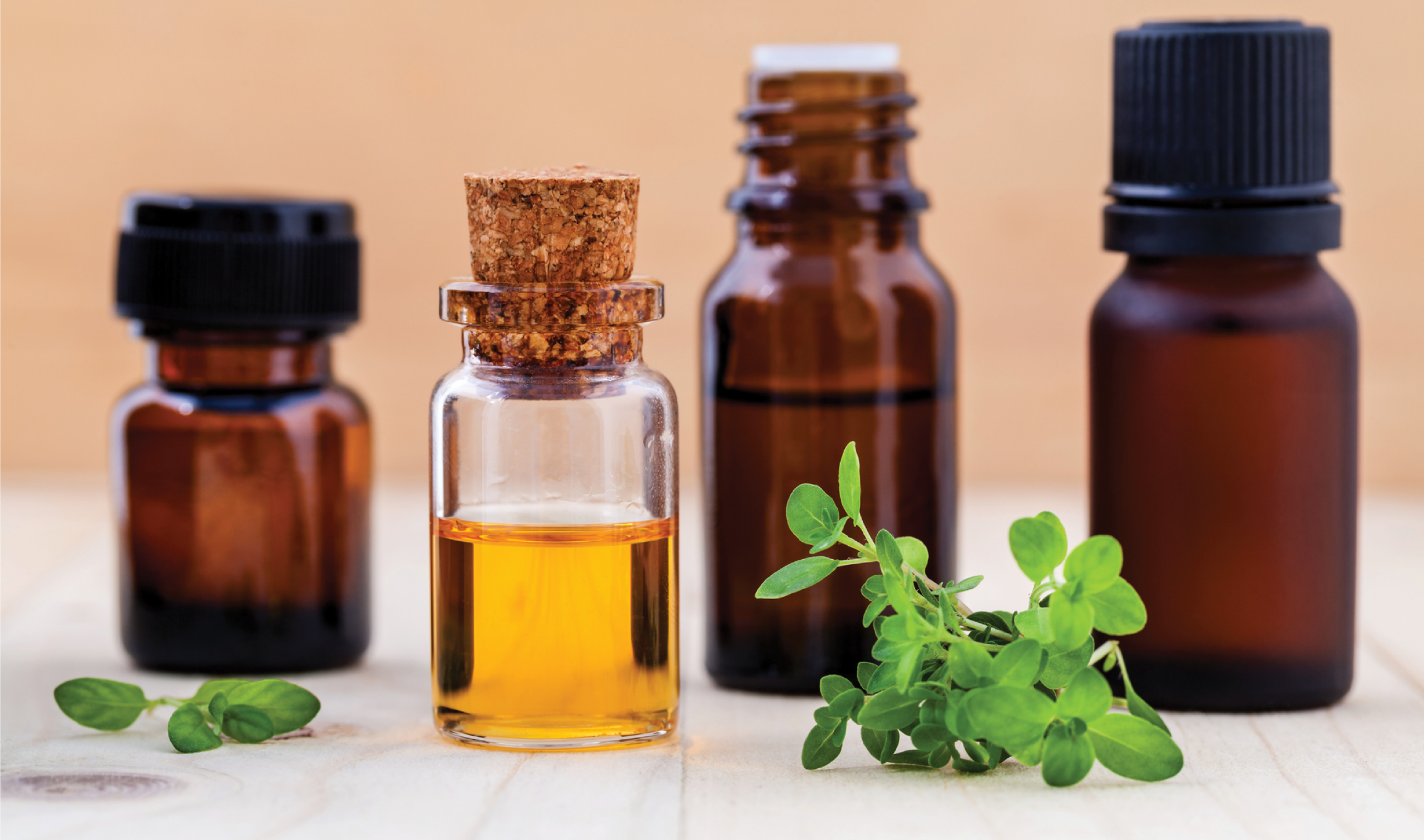
The use of aromatherapy dates back thousands of years. Hippocrates, the father of modern medicine, considered it key to good health. Lavender essential oil is one of the most studied essential oils in terms of its relaxing effects. One study found that lavender oil aromatherapy calmed the nervous system—lowering blood pressure, heart rate, and skin temperature as well as changing brain waves to a more relaxed state.
You can use aromatherapy through different methods: direct inhalation, diffusers, massage with carrier oils like sweet almond oil, or even adding a few drops to your bath. Each approach offers its own benefits for alleviating stress and improving sleep quality.
4. Herbal Tea
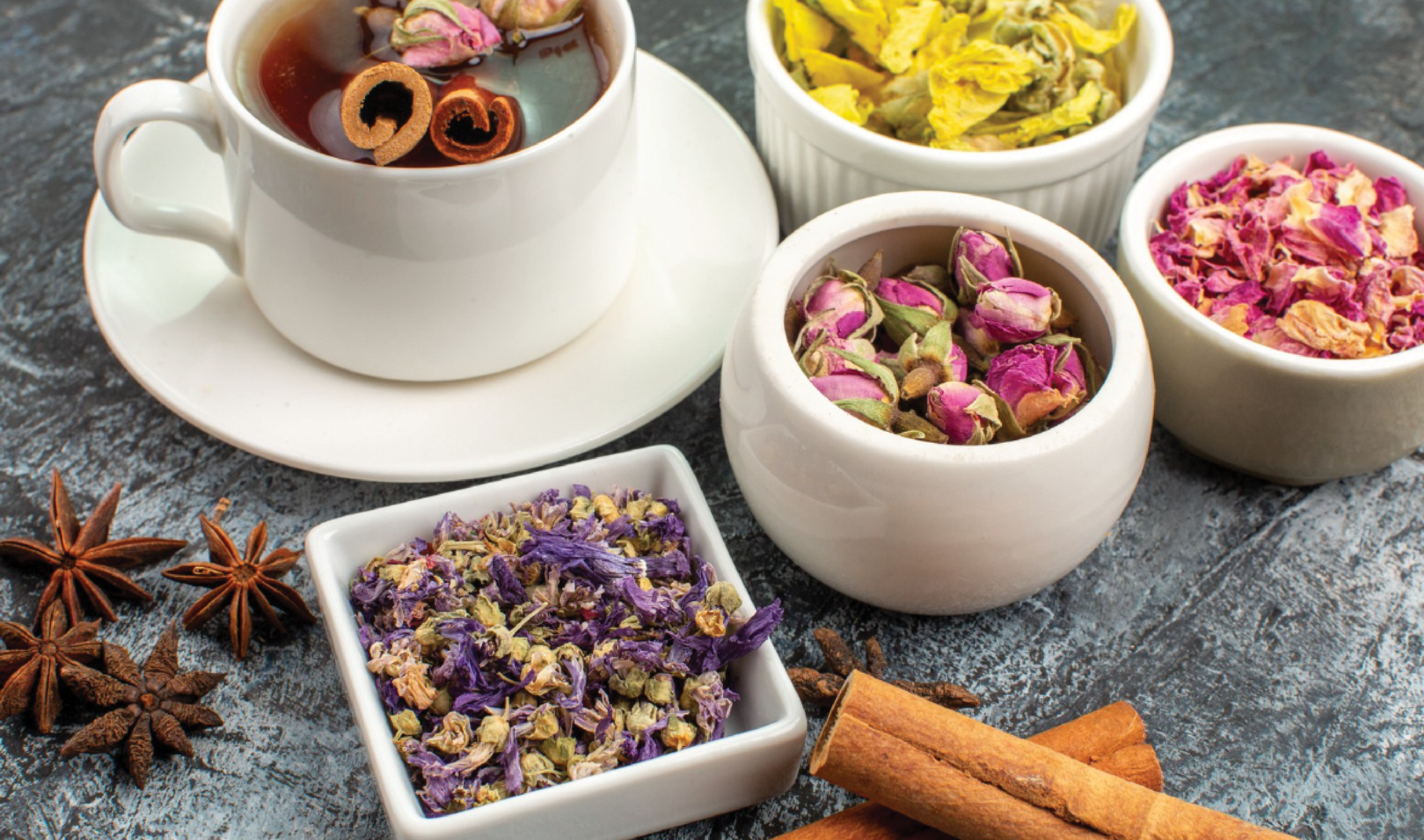
Chamomile has been used for centuries to reduce anxiety and promote restful sleep. There are two main varieties: German chamomile (commonly used medicinally) and English chamomile. Chamomile can calm the nervous system, reduce inflammation, and even improve skin health.
A soothing cup of lavender tea can also help you sleep better at night meaning you wake up feeling refreshed and ready to go. The natural compounds in lavender help lower cortisol levels, promoting relaxation and calmness. Traditionally, people use lemon balm tea to help improve mood, slow cognitive decline, and decrease anxiety levels. Taking lemon balm extract can increase levels of gamma-aminobutyric acid (GABA), a neurotransmitter (brain chemical) that has a calming effect.
5. Supplements
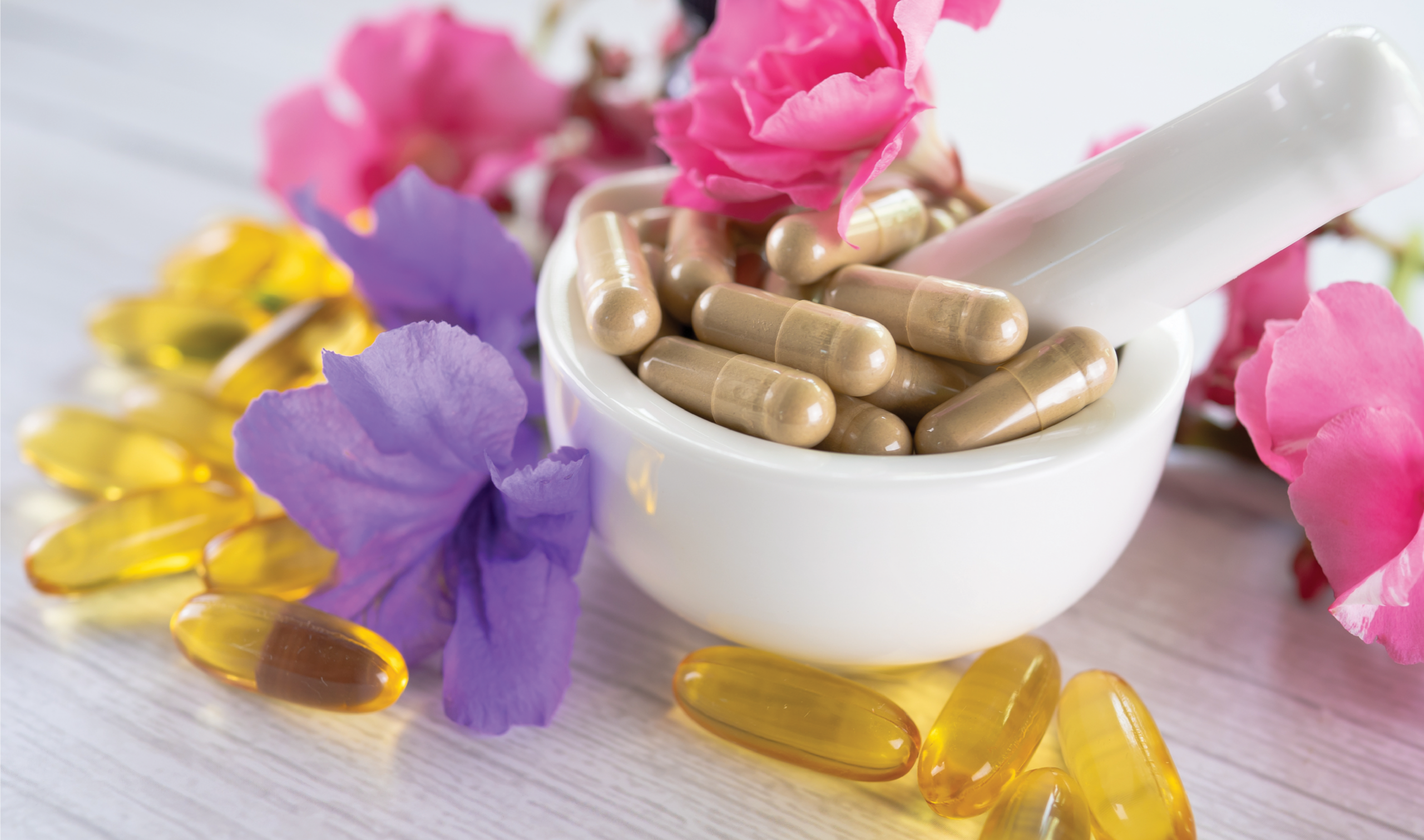
There are some popular stress relief supplements include Ashwagandha, magnesium, Vitamin B, Valerian root and L-Theanine. Ashwagandha significantly reduced stress, anxiety, and cortisol levels compared to placebo in meta-analysis of 9 studies (558 patients). A 2022 review of 12 randomized controlled studies, including more than 1,000 participants, also concluded that ashwagandha reduced both stress and anxiety, compared with a placebo. Ashwagandha helps the body manage stress by lowering cortisol levels and regulating the hypothalamic-pituitary-adrenal (HPA) axis.
Magnesium is crucial for managing stress, as it helps regulate the nervous system, supports relaxation, and reduces anxiety by increasing GABA, a calming neurotransmitter. Vitamin B complex, particularly B5 (pantothenic acid), B6 (pyridoxine), and B12, supports the nervous system, helps manage stress by regulating adrenal function, and boosts energy. Valerian contains a number of compounds that may help promote calmness by increasing GABA availability in the body and interacting with certain receptors involved in mood and sleep.
L-theanine is an amino acid found in green tea that reduces stress and anxiety by promoting relaxation without sedation. It works by increasing neurotransmitters like GABA, serotonin, and dopamine
6. Anti-Stress Food
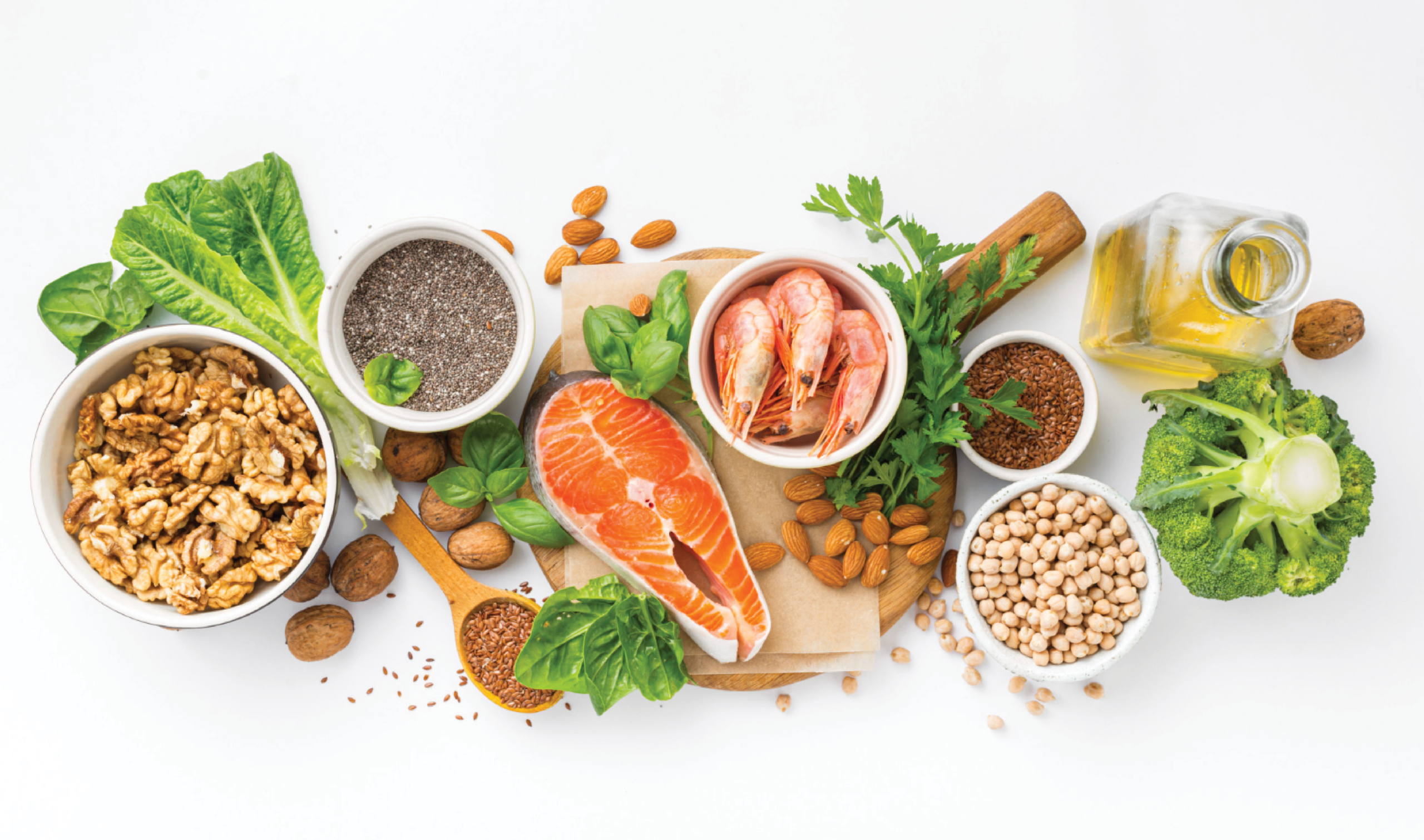
Salmon contains nutrients that promote brain health, including vitamin D and omega-3 fatty acids EPA and DHA, which may help reduce inflammation associated with anxiety and depression. Omega-3 fatty acids, particularly EPA and DHA found in fish oil, help manage stress by reducing inflammation, lowering cortisol levels, and supporting brain cell function.
Dark chocolate, rich in polyphenols and flavonoids, has demonstrated various health benefits, including potential stress-relieving properties. A randomized controlled trial demonstrated that dark chocolate consumption for two weeks reduced cortisol levels and improved mood states . The flavonoids in dark chocolate are known to have neuroprotective effects and influence the hypothalamic-pituitary-adrenal (HPA).
Bananas contain high levels of tryptophan, an amino acid, which is converted into serotonin in your body. Serotonin is the feel-good, brain neurotransmitter, which makes you feel happy. Limits high sugar food, processed food, caffeine and alcohol.

7. Sleep
Sleep and mental health are closely connected. When you don’t get enough rest, your brain doesn’t have time to recover and reset. Without the rest it needs, it’s harder for your brain to process emotions, think clearly and stay positive. Quality sleep is essential for managing stress, as it reduces cortisol levels, improves emotional regulation, and boosts resilience. Adults should get 7–9 hours of sleep to avoid irritability and overwhelming feelings.

8. Social Connections
Strong relationships with friends and family members can also bolster your mood, improve your outlook, and preserve your mental well-being. Research shows that people with high levels of social support seem to be more resilient in the face of stressful situations. They also have a lower perception of stress in general and have less of a physiological response to life’s stressors.

9. Spend Time in Nature
Spending time outdoors—especially in natural settings like parks, trails, or even a tree-lined neighborhood—can do wonders for emotional health. Walking itself is a proven stress reliever, but when you add in the calming presence of nature, it becomes even more powerful. Walking in green spaces can help support better focus, emotional regulation, and create a greater sense of calm. Nature provides a sensory experience that can gently reset the nervous system. The sights, sounds, and smells of the outdoors help quiet the mind, reduce feelings of anxiety, and improve mood.

10. Deep Breathing
This calming breathing technique for stress, anxiety and panic takes just a few minutes and can be done anywhere. Whether through simple deep breaths or structured techniques, breathing exercises help you regain control and find peace within. By activating the body’s relaxation response, deep breathing increases oxygen supply, calms the nervous system, and lowers stress hormones like cortisol. Some breathing techniques include 4-7-8 breathing, Belly breathing and alternate nostril breathing.
Reference
- https://www.health.harvard.edu/healthy-aging-and-longevity/exercising-to-relax
- Khoury, B., Lecomte, T., Fortin, G., Masse, M., Therien, P., Bouchard, V., Chapleau, M.-A., Paquin, K., & Hofmann, S. G. (2013). Mindfulness-based therapy: A comprehensive meta-analysis. Clinical Psychology Review, 33(6), 763–771.
- https://www.psychologytoday.com/us/blog/urban-survival/201604/six-aromatherapy-essential-oils-stress-relief-and-sleep
- https://www.northkent.ac.uk/news-events/blogs/5-herbal-teas-to-help-stress-leading-up-to-exams
- https://pubmed.ncbi.nlm.nih.gov/19165747/
- https://www.helpguide.org/mental-health/stress/social-support-for-stress-relief
- https://gleneagles.com.my/health-digest/relieving-stress-anxiety-breathing-techniques
- 0694 safety and efficacy of ashwagandha for sleep: A systematic review. Sleep. (2022). https://academic.oup.com/sleep/article/45/Supplement_1/A303/6592997
- https://health.clevelandclinic.org/l-theanine
- Tsang C, Hodgson L, Bondonno C, et al. Effect of polyphenol-rich dark chocolate on salivary cortisol and mood in adults: A randomized controlled trial. Antioxidants (Basel). 2019;8(5):149. PMC.NCBI.NLM.NIH.GOV
